Breaking News
Popular News




Enter your email address below and subscribe to our newsletter
Clans Clashing Tips
 ByTrooper
Every Clash of Clans player has had that moment. You begin an attack with confidence, music in your head, victory already imagined, and then suddenly your finger turns into a panic-driven machine gun. Dragons go down. Heroes go down. Spells fly everywhere. Somewhere in the chaos, a Freeze lands on absolutely nothing useful, and your Barbarian King decides the outside wall is now his personal life mission.
It feels dramatic, and for a few glorious seconds, it feels like strategy. But in reality, random troop dumping is less of a battle plan and more of an emotional support reaction. The truth is that smart timing wins far more raids than pure aggression ever will. Clash of Clans rewards players who understand when to hold, when to commit, and when to stop acting like every raid needs the energy of a medieval fireworks accident.
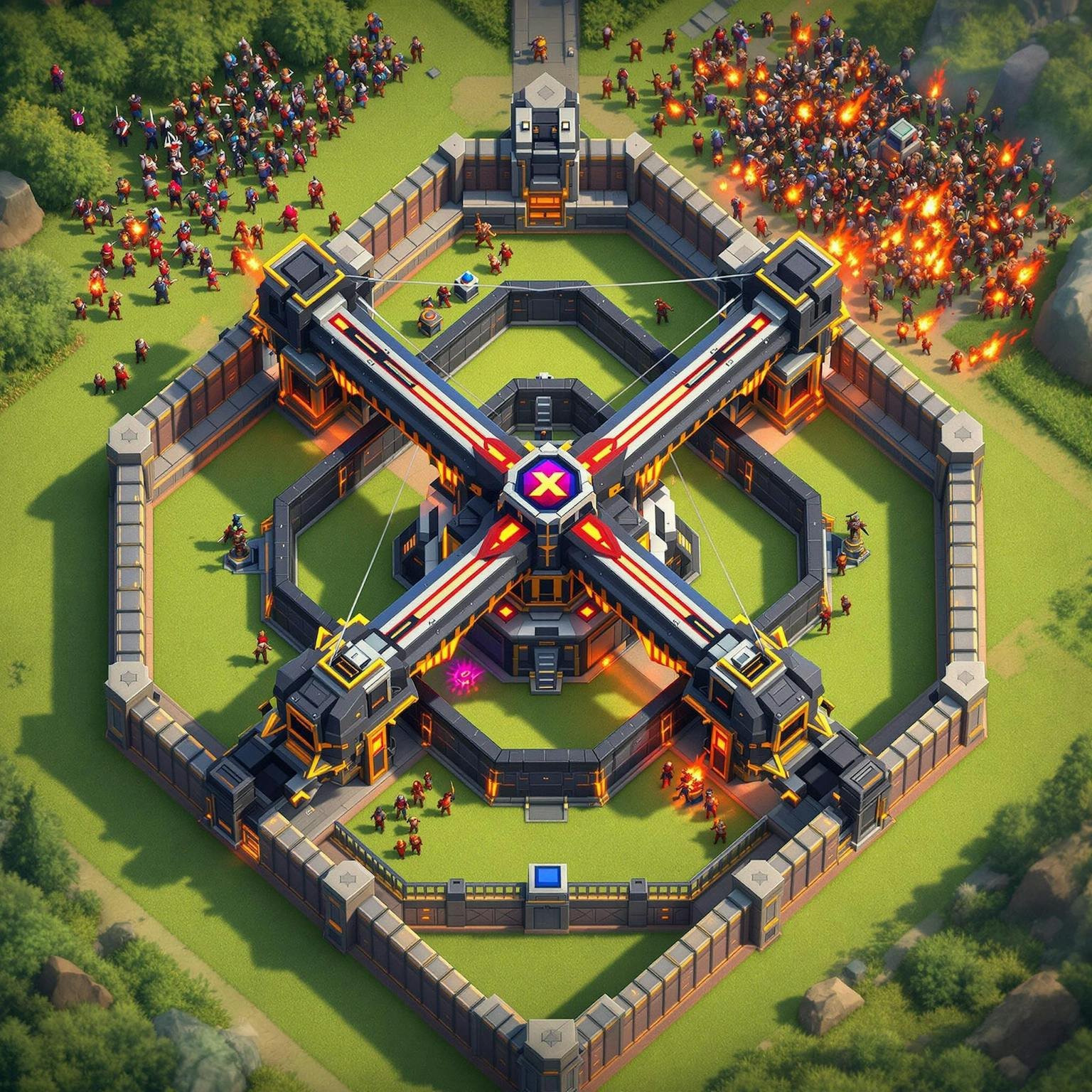
A good attack begins with intent. You look at the base, identify where the defenses are concentrated, decide how to create a funnel, and deploy with purpose. A panicked attack begins with one thing going slightly wrong and ends with every troop in your army being thrown into battle like you are emptying your pockets at airport security. One approach earns stars. The other earns a replay you do not want anyone in your clan to see.
Timing matters because troops are not just damage dealers. They are part of a sequence. Tanks go first to absorb punishment. Funnel troops shape the path. Main damage troops follow once the route is controlled. Heroes add pressure at key moments, not whenever your thumb gets nervous. If you send everything at once, you lose control of the attack almost immediately. Troops split, defenses stay up too long, and your plan becomes a spectator sport.
Take a common mistake like dropping P.E.K.K.As, Wizards, and heroes all in one clump without proper funneling. It looks powerful for about seven seconds. Then the Wizards drift wide, the P.E.K.K.As punch sideways, and your heroes begin a scenic tour of the outside buildings while the Town Hall remains deep inside, completely unbothered. That is not an attack. That is a parade with emotional damage.
Heroes and spells are often the difference between a decent raid and a beautiful, satisfying three-star attack. Unfortunately, many players use them like emergency buttons in a disaster movie. The Archer Queen ability gets triggered the instant she takes a single scary hit. Rage spells get dropped because “a lot is happening over there.” Freeze spells are launched in blind panic at whatever looks meanest on screen. It is thrilling, but not exactly wise.
Good timing means using spells to preserve momentum, not just to react emotionally. A Heal spell should protect troops through sustained damage zones, not land on them after half the group has already vanished into the afterlife. A Rage spell should accelerate a push through key defenses, not simply make a random corner fight look more energetic. Freeze works best when it shuts down high-value threats at the exact moment your troops need breathing room. Timing one well can save a raid. Timing one badly can leave you watching an Inferno Tower roast your hopes in real time.
Hero abilities deserve the same discipline. The Barbarian King ability is not just a button you press when things feel dramatic. It can help tank longer, clear a section faster, or summon support troops at a critical point. The Archer Queen ability is especially valuable when she is under focused fire or about to secure a major objective. Trigger it too early, and you waste some of its value. Trigger it too late, and she disappears before doing the job you brought her for. In other words, hero timing is less “smash button when nervous” and more “act like you have played this game before.”
Picture this: a player sees a base with Air Defenses spread wide and immediately decides this is the perfect moment for a classic dragon attack. Confidence is high. Very high. Maybe too high. They drop all the Dragons in a line, throw down balloons because it feels professional, and then immediately use Rage and Freeze in the first ten seconds because patience is for weaker chiefs.
At first, it looks incredible. Fire everywhere. Buildings collapsing. Clan chat approval practically imagined in advance. Then the problems begin. There was no proper funnel, so half the Dragons drift to the edges. One Air Defense survives longer than expected. The Grand Warden ability gets used too early, protecting troops from danger that had not actually arrived yet. By the time the army reaches the core, the push has lost shape, momentum, and several dragons who apparently decided a Builder Hut in the corner was the true strategic objective.
The result is a painful two-star or, worse, a one-star with a replay full of regret. Not because the army was weak, but because the timing was. A more patient version of the same attack could have used one Baby Dragon or a hero to shape the funnel, held the Rage for the core, and saved Freeze for the nastiest defensive cluster. Same troops. Same base. Completely different result.
That is what smart timing does in Clash of Clans. It turns strong armies into efficient ones. Anyone can deploy troops. Skilled players know when not to. And sometimes the real secret to winning is resisting the overwhelming urge to press every glowing button like your phone screen owes you money.