Breaking News



Popular News





Enter your email address below and subscribe to our newsletter
Clans Clashing Tips

 ByTrooper
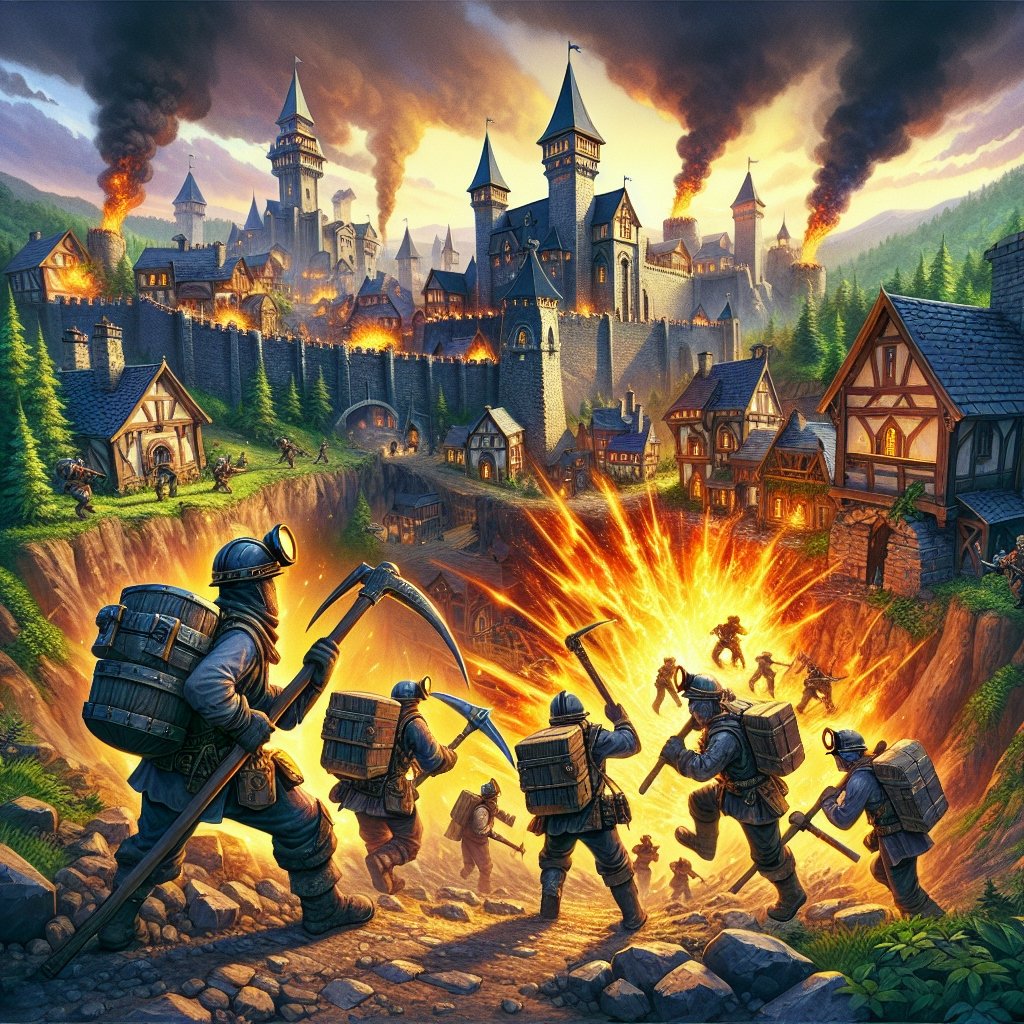
Let us imagine a very specific kind of Clash of Clans player. His base looks incredible. The walls are upgraded so beautifully they could be featured in a medieval home design magazine. The compartments are crisp. The village has presence. It has swagger. It says, “Attack me if you dare.”
So naturally, someone attacks him and dares immediately.
At first glance, this chief seems dangerous. The walls are intimidating enough to make attackers pause for half a second and think, “This might be annoying.” But then the raid starts, and the illusion begins to crack. The defenses are decent, sure, but not nearly as scary as the walls suggested. Then you check the replay history or clan war performance and find the real problem: this player invested heavily in looking advanced while quietly neglecting the upgrades that actually make a village stronger.
Most painfully, the army camp is still underleveled.
This is the kind of mistake that perfectly captures bad upgrade priorities. Walls are visible, dramatic, and satisfying. Every upgrade gives you that little hit of joy that says, “Yes, now my village looks expensive.” Army camps, by comparison, are not exciting. They sit there in the background doing their job without much attention. But in terms of practical value, army camps are far more important. More troop space means stronger attacks, easier farming, better war performance, and more consistent progress. Neglecting them to chase wall upgrades is like polishing a race car and forgetting to put fuel in it.
The funny part is how this plays out in real gameplay. Our wall-loving chief launches an attack expecting domination. The plan seems solid enough. Troops are selected. Confidence is high. But once the raid begins, the attack feels strangely weak. There are not quite enough troops to finish the funnel cleanly. The main push runs out of steam early. Key defenses survive with a sliver of health because the damage output is just a little short. That “little short” is often the difference between a clean three-star and an awkward two-star that gets explained away with, “Honestly, the base was weird.”
No, the base was not weird. Your army was on a budget.
This kind of player often runs into a double problem. Not only are their attacks weaker, but their progress is slower too. Since offense drives farming efficiency, every weak raid makes it harder to collect the resources needed for future upgrades. So now they have expensive walls, weaker attacks, and a longer path to fixing the actual issue. It is the upgrade equivalent of wearing golden armor into battle and then realizing you forgot your sword.
The real lesson here is simple: appearance can fool people, but only for a moment. Function matters more. A village with modest walls and strong offensive upgrades is usually in a much better position than one with glamorous walls and neglected fundamentals. The first village earns more loot, wins more attacks, and improves faster. The second mostly just looks impressive right before disappointing everyone, including itself.
So if you ever feel tempted to dump all your resources into walls while your army camps, lab, or heroes are lagging behind, remember this chief. Remember his shiny base. Remember his underwhelming attacks. Remember the tragic image of a village dressed like an emperor but fighting like it forgot to stretch. It is a funny mistake to read about, but a much less funny one to live through.